What Are Psilocybin Mushrooms?
Psilocybin mushrooms are fungi that naturally produce psychoactive compounds. They typically share a few key traits:
A tendency to bruise blue due to psilocin oxidation
Growth in warm, humid, or wood-rich environments
Use in traditional and modern psychedelic practices
Over 200 known species across multiple genera
Not all psilocybin mushrooms look alike. Some grow on wood, others in grasslands. Some are tiny and conical, others large and umbrella-like. Potency also varies widely.
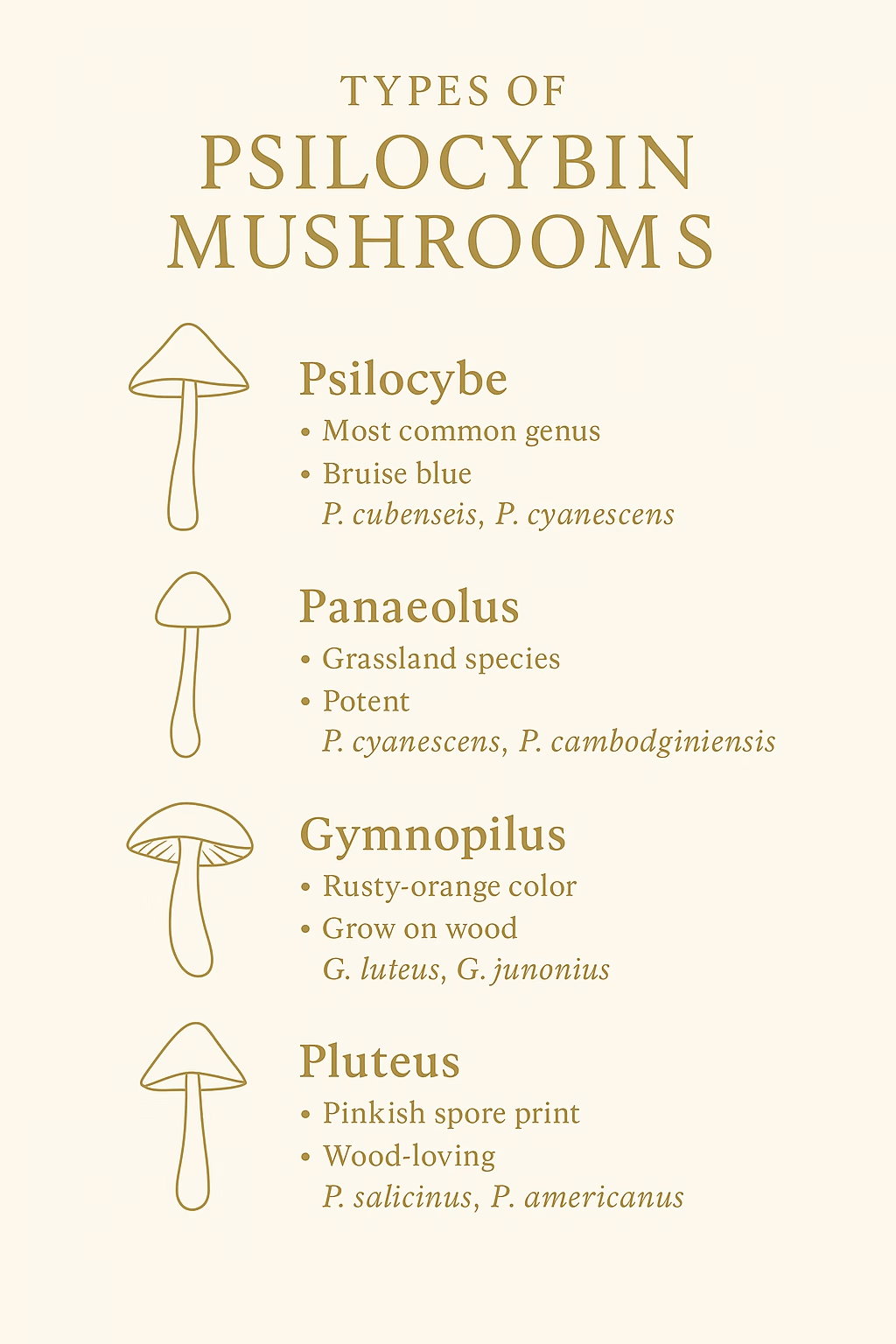
The Major Types of Psilocybin Mushrooms
Below are the primary genera of psychedelic mushrooms and the key species within each.
1. Psilocybe
The most common and well-known group.
The genus Psilocybe includes the largest number of psilocybin-containing species. These mushrooms are typically brown to golden, bruise blue, and are found worldwide.
Popular Psilocybe species
Psilocybe cubensis – the classic “magic mushroom”; warm climates; includes popular strains.
Psilocybe cyanescens – “Wavy Caps”; extremely potent; wood-loving.
Psilocybe azurescens – “Flying Saucers”; among the most potent species on Earth.
Psilocybe semilanceata – “Liberty Caps”; small, strong, widespread in pastures.
Psilocybe mexicana – historically used in indigenous ceremonies.
Psilocybe tampanensis – produces “magic truffles.”
Psilocybe allenii – potent West Coast wood-lover similar to cyanescens.
General Traits
Most species bruise blue
Grow on dung, soil, or wood depending on species
Potency ranges from mild to extremely strong
Many species have a caramel-to-golden color palette
2. Panaeolus
Grassland species with strong potency.
Some Panaeolus species also produce psilocybin, especially those from warm, tropical regions.
Common psychedelic species
Panaeolus cyanescens – “Blue Meanies”; very potent; thin, fragile mushrooms
Panaeolus cambodginiensis – potent tropical species found in Asia
General Traits
Thin stems and delicate, dark-spotted caps
Grow in pastures and grassy areas
Typically more potent than many cubensis species
Black spore prints
3. Gymnopilus
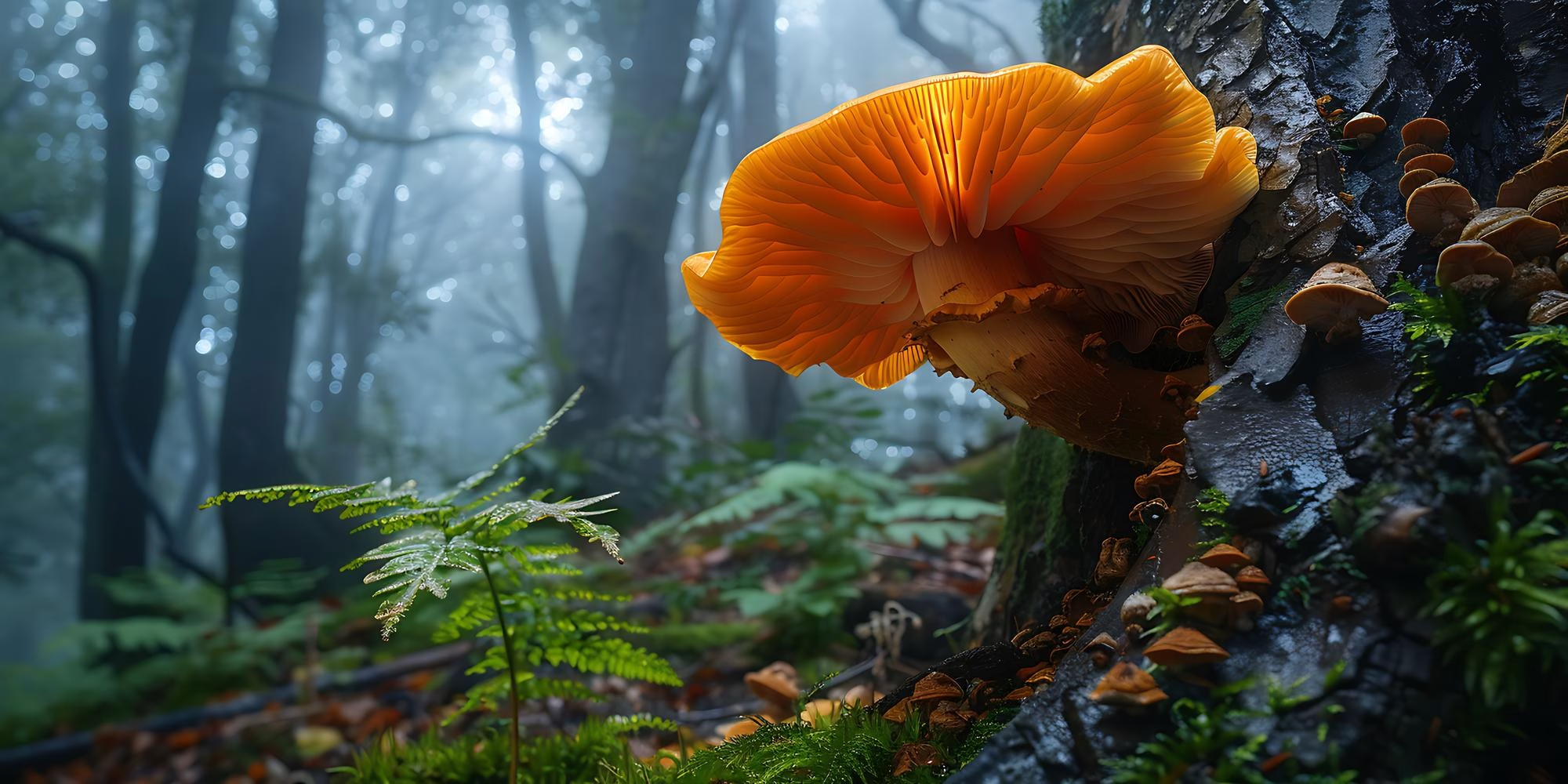
Large, rusty-orange, wood-loving species.
A handful of Gymnopilus species contain psilocybin, though they’re less commonly used.
Notable species
Gymnopilus luteus
Gymnopilus aeruginosus
Gymnopilus junonius (regional variation determines potency)
General Traits
Bright orange to rusty caps
Bitter taste
Grow on logs, stumps, and woody debris
Thick, sturdy fruiting bodies
4. Pluteus
Wood-dwelling species with pink spore prints.
Only a few Pluteus species contain psilocybin, but they’re fascinating from a biodiversity standpoint.
Notable species
Pluteus salicinus
Pluteus americanus
General Traits
Grow on dead hardwood
Pinkish spore prints
Produce blue bruising when active
5. Inocybe
Contains some psilocybin species but mostly toxic — not recommended.
Although a few species contain psilocybin, most Inocybe mushrooms are dangerously poisonous, making the genus unsuitable for foraging.
Known psilocybin species
Inocybe aeruginascens
General Traits
Small brown mushrooms
High risk of confusion with deadly species
Not recommended for identification by non-experts
🌎 Where Do Psilocybin Mushrooms Grow Naturally?
Different species favor different environments:
Tropical/Subtropical
Psilocybe cubensis
Panaeolus cyanescens
Temperate Woodlands
Psilocybe azurescens
Psilocybe cyanescens
Pluteus salicinus
Grasslands & Pastures
Psilocybe semilanceata
Panaeolus species
Psilocybin mushrooms grow on wood, soil, dung, moss, and grass, depending on the species.
Psilocybin Species vs. Strains: What’s the Difference?
Species
Naturally occurring
Genetically distinct
Found in the wild
Examples: Psilocybe cubensis, Panaeolus cyanescens
Strains
Variations within a species
Cultivated by growers
Differ in appearance, potency, and personality
Examples: Golden Teacher, B+, Penis Envy (all cubensis strains)
Understanding this difference helps people navigate the psychedelic world more safely and accurately.
The Main Types of Psilocybin Mushrooms
TL;DR version
Psilocybe – the most diverse and iconic group; includes cubensis, cyanescens, azurescens, and more.
Panaeolus – potent tropical species like Blue Meanies.
Gymnopilus – large orange wood-loving species.
Pluteus – lesser-known wood dwellers with pink spore prints.
Inocybe – contains some active species but mostly toxic; avoid.



 Safety & Guidelines First